Electric vs petrol in South Africa: what the monthly numbers actually look like
South Africa's electric vehicle market has changed faster in the past twelve months than in the previous five years combined, with fully electric cars now more accessible than ever in South Africa. The question of whether to switch from petrol has become a genuine financial calculation rather than an aspirational one. This page works through three realistic pairings — budget city cars, compact SUVs, and a petrol vs hybrid vs electric SUV three-way — using current South African prices, verified consumption figures, and the same finance assumptions applied across every new vehicle listed on VehicleSA.
How we ran the numbers
Every comparison uses the same finance structure: a 72-month term, 10% deposit, 10.75% annual interest rate, and a 35% balloon payment — the most common new-vehicle finance terms in South Africa. Petrol consumption figures come directly from VehicleSA's vehicle database. Electric vehicle consumption figures are estimated from the battery capacity and WLTP range published in BYD South Africa's official vehicle specification sheets, because BYD SA does not publish kWh/100km directly for these models. Running costs use home charging electricity rates for EVs and pump prices for petrol. The monthly total shown is finance instalment plus energy or fuel cost only — it does not include insurance, tyres, or maintenance.
Electric vehicle comparisons use BYD models throughout because BYD currently offers the most affordable fully electric vehicle in each segment covered — budget city car and compact SUV. BYD has also established the most extensive dealer and service network of any electric vehicle brand in South Africa at these price points, making them the most practical choice for private buyers considering a switch from petrol.
Why this comparison focuses on private buyers
A common question is why taxis, Uber drivers, and car rental fleets have not already switched to EVs if the running cost saving is so clear. The answer is that high-mileage commercial operators face a different set of constraints entirely. Minibus taxis have no electric equivalent in the 15-seater Quantum format available in South Africa, and operators need vehicles that can refuel in minutes and be serviced anywhere in the country. For e-hailing drivers, the barriers are upfront purchase cost, access to home charging in rented accommodation, and range anxiety on longer trips. For car rental agencies, the friction comes from customer reluctance to manage charging on unfamiliar roads, the capital cost of installing wallbox chargers across depot fleets, and the complexity of one-way rentals between cities. This page focuses on a private buyer financing a new vehicle over 72 months.
Compare by segment
Comparison 1: Budget city cars
Suzuki Swift 1.2 GL+ manual vs BYD Dolphin Surf Comfort
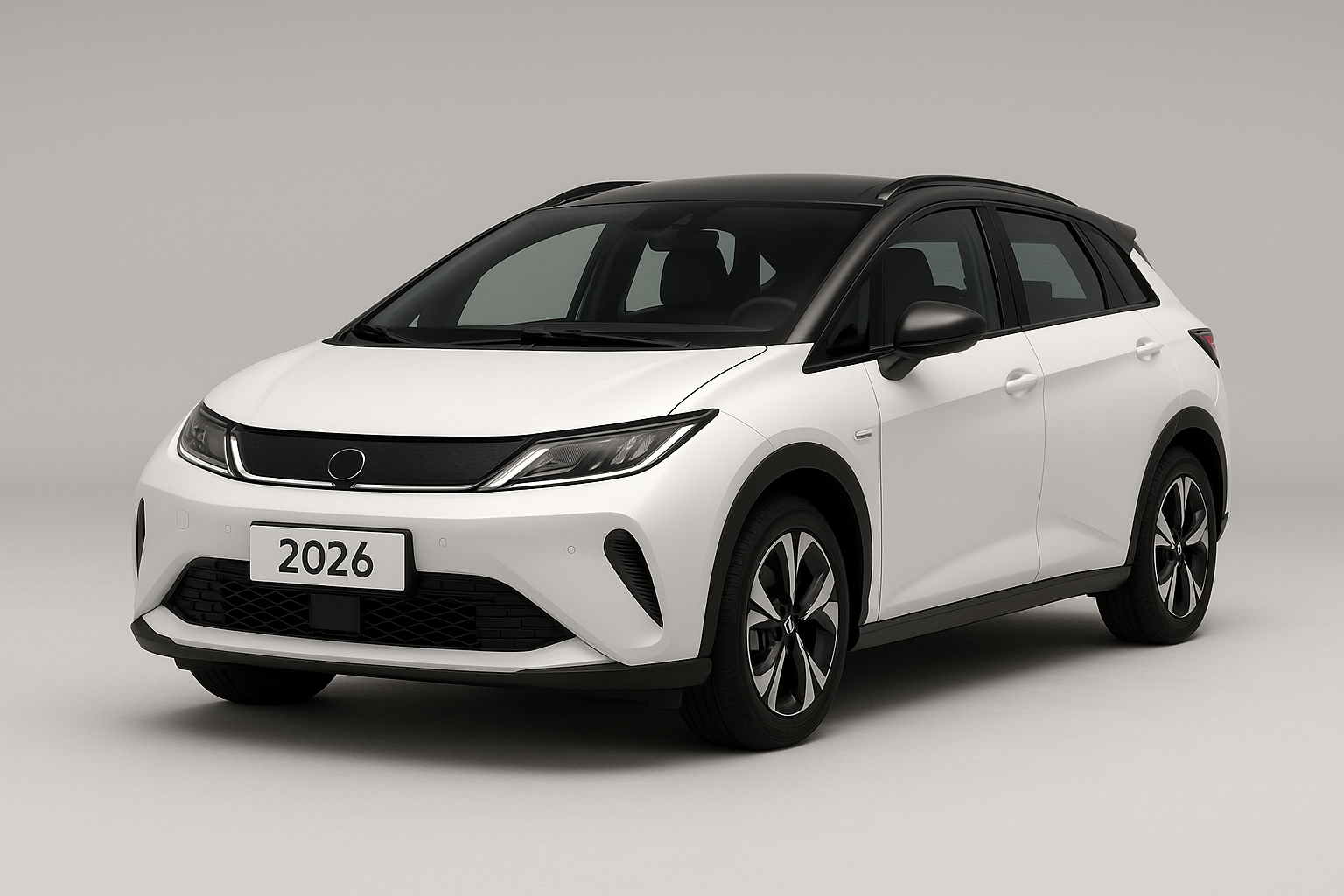 Electric
BYD Dolphin Surf Comfort
30.08 kWh · 232 km WLTP
R341 900
new price
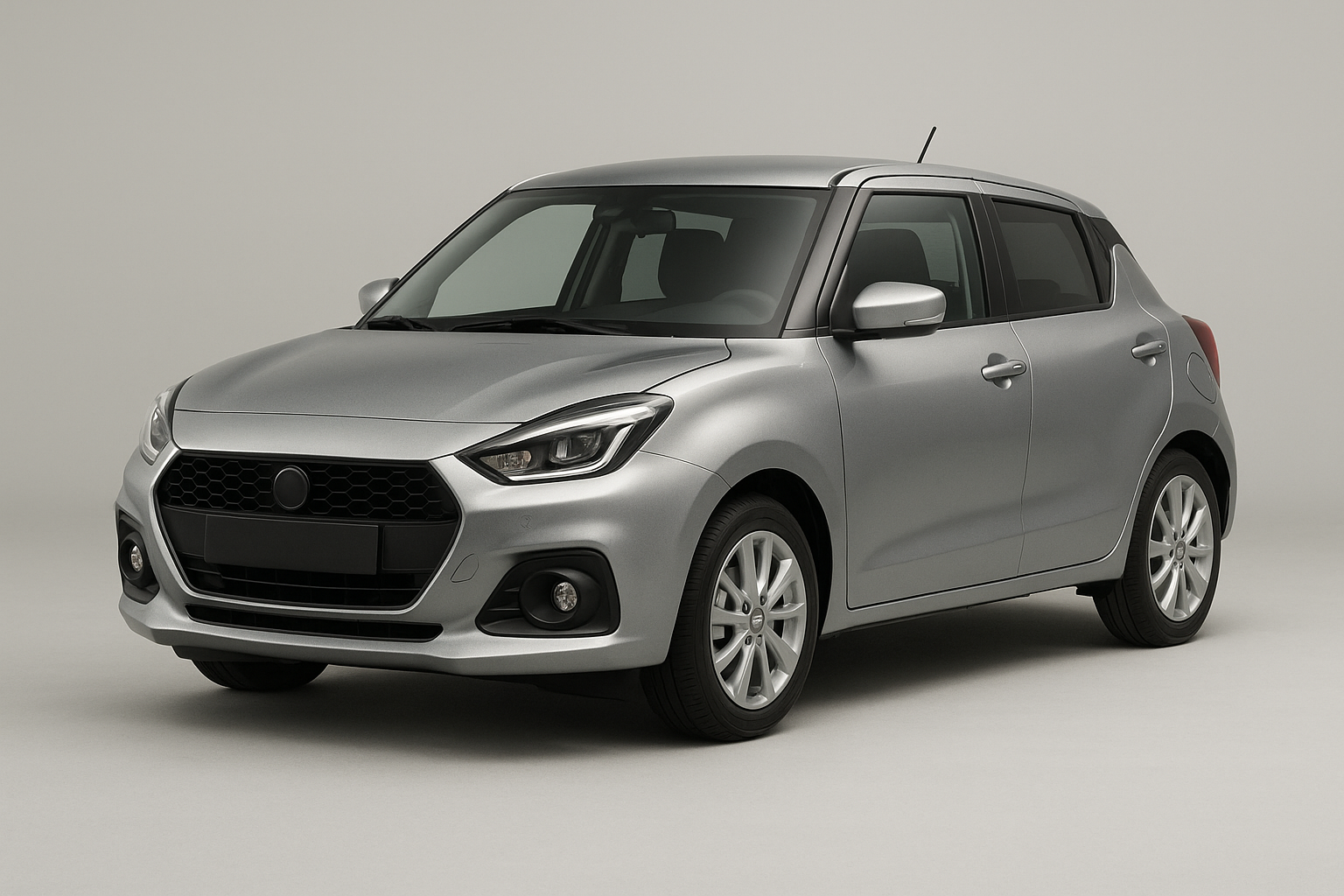 Petrol
Suzuki Swift 1.2 GL+ manual
VehicleSA DB
R250 900
new price
Adjust your inputs
Monthly fuel / energy cost
BYD Dolphin Surf Comfort
R5 320
R4 627 finance + R693 energy
Suzuki Swift 1.2 GL+ manual
R5 173
R3 396 finance + R1 777 fuel
Finance: 72 months, 10% deposit, 10.75% APR, 35% balloon. Petrol consumption from VehicleSA database. EV consumption estimated from BYD SA official spec sheet (battery ÷ WLTP range) — BYD SA does not publish kWh/100km for this model. Home charging rates only. Households with rooftop solar can set the electricity rate to approximately R1.20/kWh — the typical amortised cost of home-generated solar power over a 10-year installation lifespan.
The Swift GL+ is Suzuki's entry mid-spec hatchback — adding remote central locking, electric windows, and a basic infotainment system over the stripped GL. It uses a 1.2-litre naturally aspirated engine returning 4.4 L/100km and is only available as a manual. Against it sits the BYD Dolphin Surf Comfort — the entry trim of BYD's most affordable electric vehicle in South Africa. Despite being the base variant, it comes with a 10.1-inch touchscreen, Apple CarPlay, Android Auto, electric air conditioning, keyless entry, reverse camera, cruise control, and alloy wheels as standard.
At 1,500 km per month these two cars cost virtually the same per month — the difference is R72. The Dolphin Surf's higher finance instalment is almost exactly offset by its lower energy cost at typical mileage. Above 1,600 km per month the Dolphin Surf is the cheaper choice; below it the Swift holds a narrow advantage. Use the sliders to find your own crossover point.
The Swift offers a lower purchase price, no dependency on charging infrastructure, and the simplicity of a petrol engine with an established service network. The Dolphin Surf Comfort offers significantly more equipment for almost identical monthly cost at typical mileage, lower running costs for above-average drivers, and BYD's 8-year battery warranty. For budget buyers who drive at or above the SA average, the Dolphin Surf Comfort makes a compelling financial case.
The honest picture
At current South African prices, the answer varies by segment. In the budget segment, petrol holds a narrow monthly advantage at typical mileage — but the gap is closing as fuel prices rise. In the compact SUV segment, the electric BYD Atto 3 holds a modest cost advantage over the petrol T-Roc at SA average mileage, while against the full hybrid Corolla Cross HEV it only pulls ahead for significantly higher-mileage drivers.
For most private SUV buyers in South Africa driving typical monthly distances, the hybrid remains the most cost-effective choice today without requiring any charging infrastructure — but for buyers comparing a straight petrol-to-EV switch specifically, the Atto 3 is now competitive at ordinary mileage, not just high mileage.
These comparisons are updated each time vehicle prices or fuel prices change materially. Prices sourced from VehicleSA's pricing database. Fuel prices sourced from VehicleSA's fuel price database, updated monthly.
Methodology
Finance: 72-month term, 10% deposit, 10.75% APR, 35% balloon payment. Petrol prices default to the current Gauteng inland 95 ULP pump price sourced from VehicleSA's fuel price database, updated monthly. Diesel prices sourced from the same database (inland 0.05% sulphur). Electricity defaults to R3.50/kWh (approximate Eskom Homelight Block 1 rate). Petrol consumption figures sourced from VehicleSA's vehicle database: Suzuki Swift 1.2 GL+ manual 4.40 L/100km, VW T-Roc 1.4TSI Life AQ 6.60 L/100km. Three-way SUV comparison uses VW T-Cross 1.0TSI Life 5.60 L/100km as the petrol reference. EV consumption figures estimated from BYD SA official spec sheets (battery capacity ÷ WLTP range × 100): Dolphin Surf Comfort EV 13.2 kWh/100km (30.08 kWh ÷ 232 km WLTP), Atto 3 Standard Range 14.5 kWh/100km (49.92 kWh ÷ 345 km). BYD SA does not publish kWh/100km directly for these models. Home charging rates only — DC public fast-charger rates are higher and would reduce the EV running cost advantage. All vehicle prices correct at time of publication.